
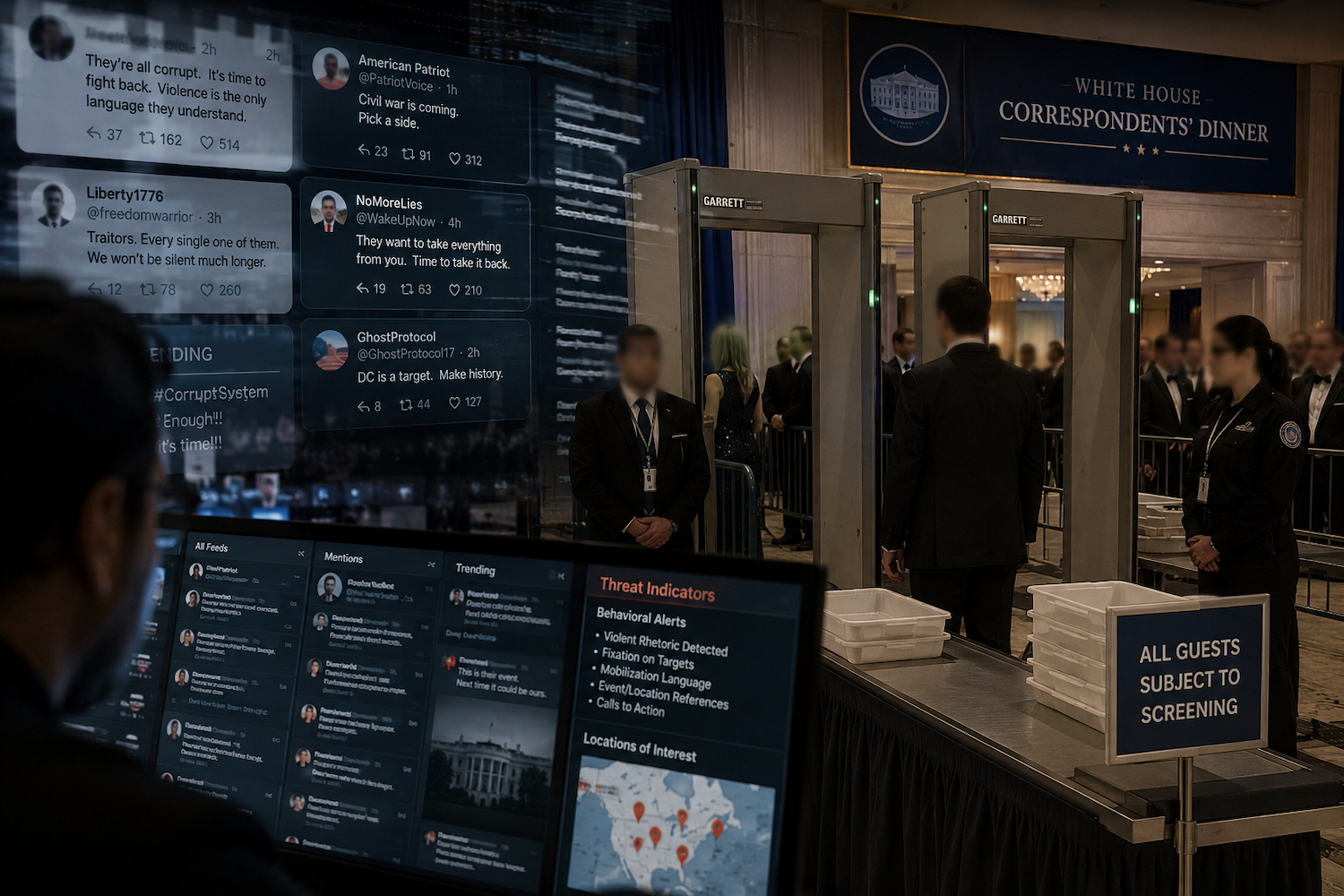
Planned Violence: Understanding the Increasing Threat Environment

Introduction The volume of Planned Active Violence has continued to trend upward over the past six years. We, meaning PGI, have increasingly discussed behavioral trends that we have always tracked in relation to Planned Active Violence (PAV). By Planned Active Violence, we refer to acts of violence that involve identifiable stages of grievance, behavioral [...]
By |2026-05-11T11:58:59-04:00May 11th, 2026|Domestic, Executive Protection, Homeland Security, Intelligence, International, PAAD, Safety & Health, Violence, White House Correspondents’ Dinner incident|Comments Off on Planned Violence: Understanding the Increasing Threat Environment

What Escalation Looks Like in Real Time: A Direct Alignment Between Behavior and Action

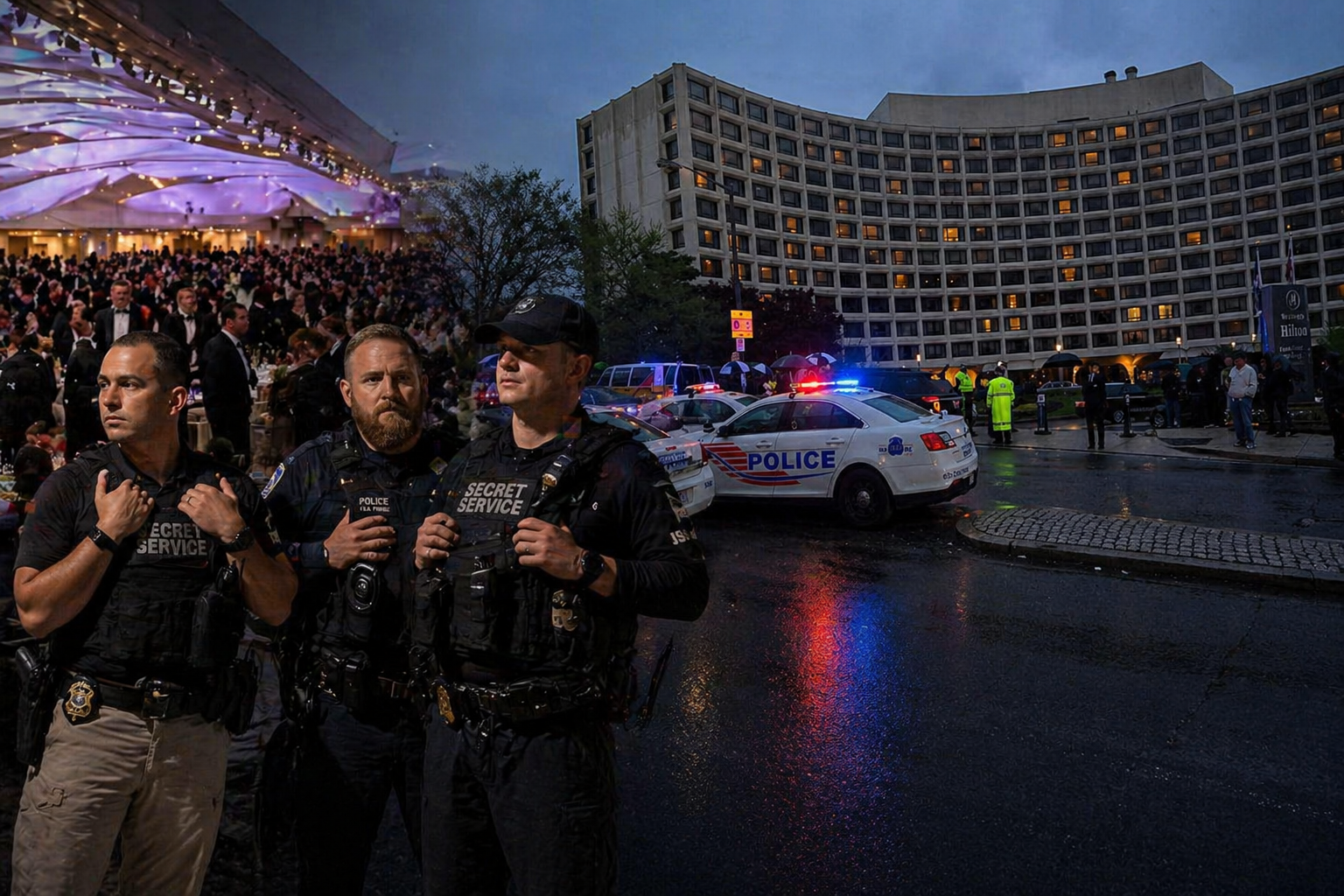
This article is a follow-up to our recent piece, When Reaction Replaces Reflection, which examined how behavior in our communities is changing and how reactions are outpacing reflection. This article takes a closer look at what unfolded, beginning with behavior in the days leading up to the White House Correspondents’ Dinner, when a serious incident [...]

By |2026-04-28T19:18:04-04:00April 28th, 2026|PAAD, Personal Safety, Training, White House Correspondents’ Dinner incident|Comments Off on What Escalation Looks Like in Real Time: A Direct Alignment Between Behavior and Action

Controlled Spaces

PGI Protective Intelligence Brief #2: Controlled Spaces: The Invisible Layer of Protection In executive protection work, much of the conversation often centers on personnel, equipment, or response capability. These elements are important, but they usually don't determine whether a situation escalates. The environment often does. Controlled space is one of the least-discussed yet most [...]

By |2026-03-06T13:02:09-05:00March 6th, 2026|PGI Protective Intelligence Briefs|Comments Off on Controlled Spaces
Go to Top