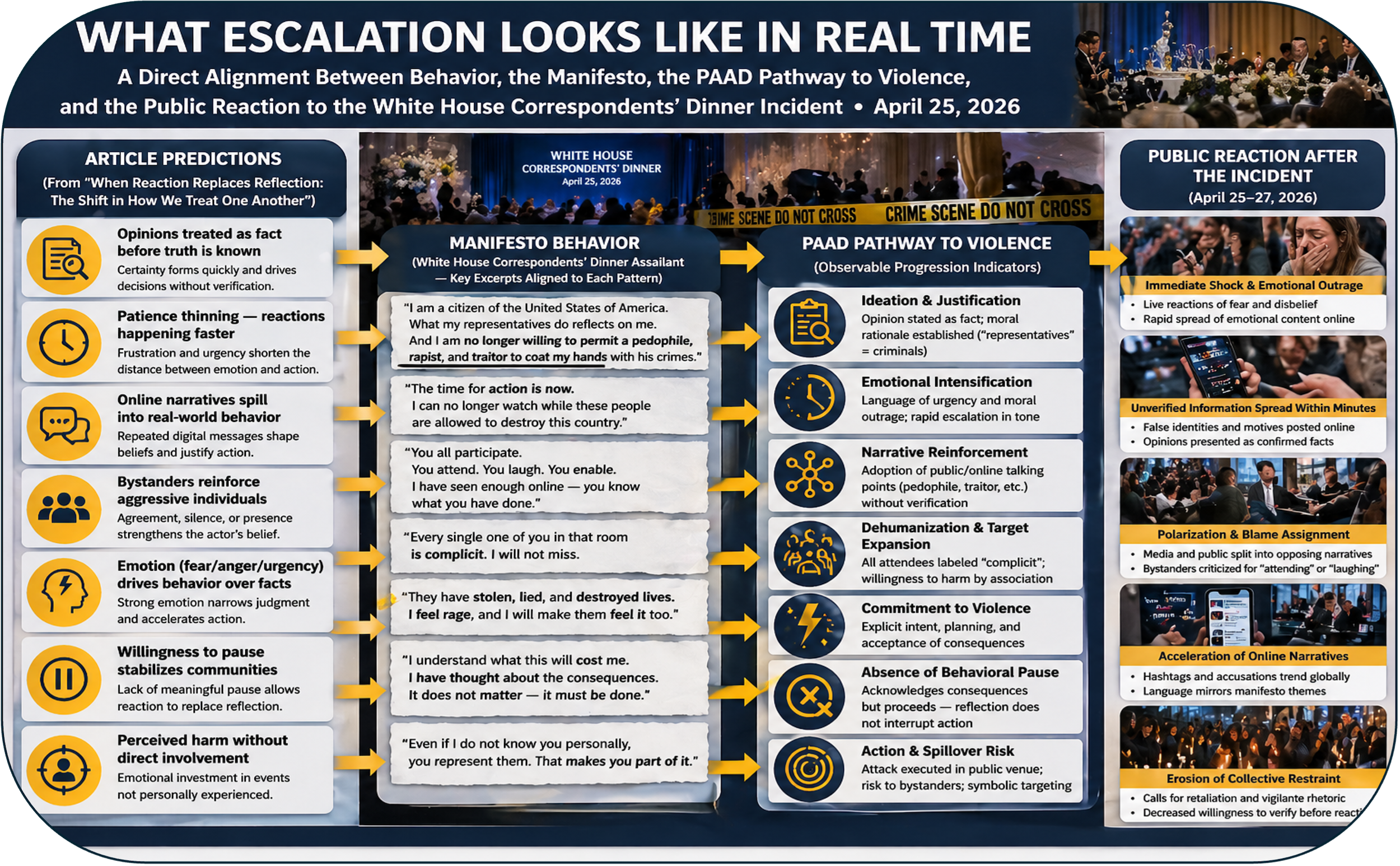
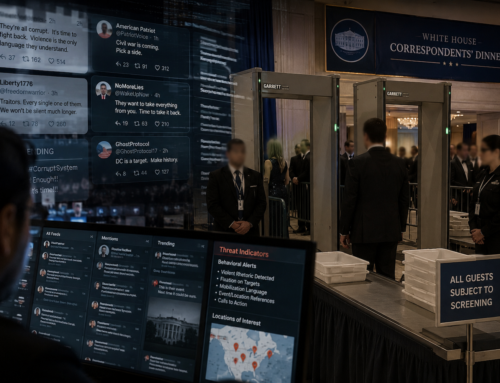
This article is a follow-up to our recent piece, When Reaction Replaces Reflection, which examined how behavior in our communities is changing and how reactions are outpacing reflection.
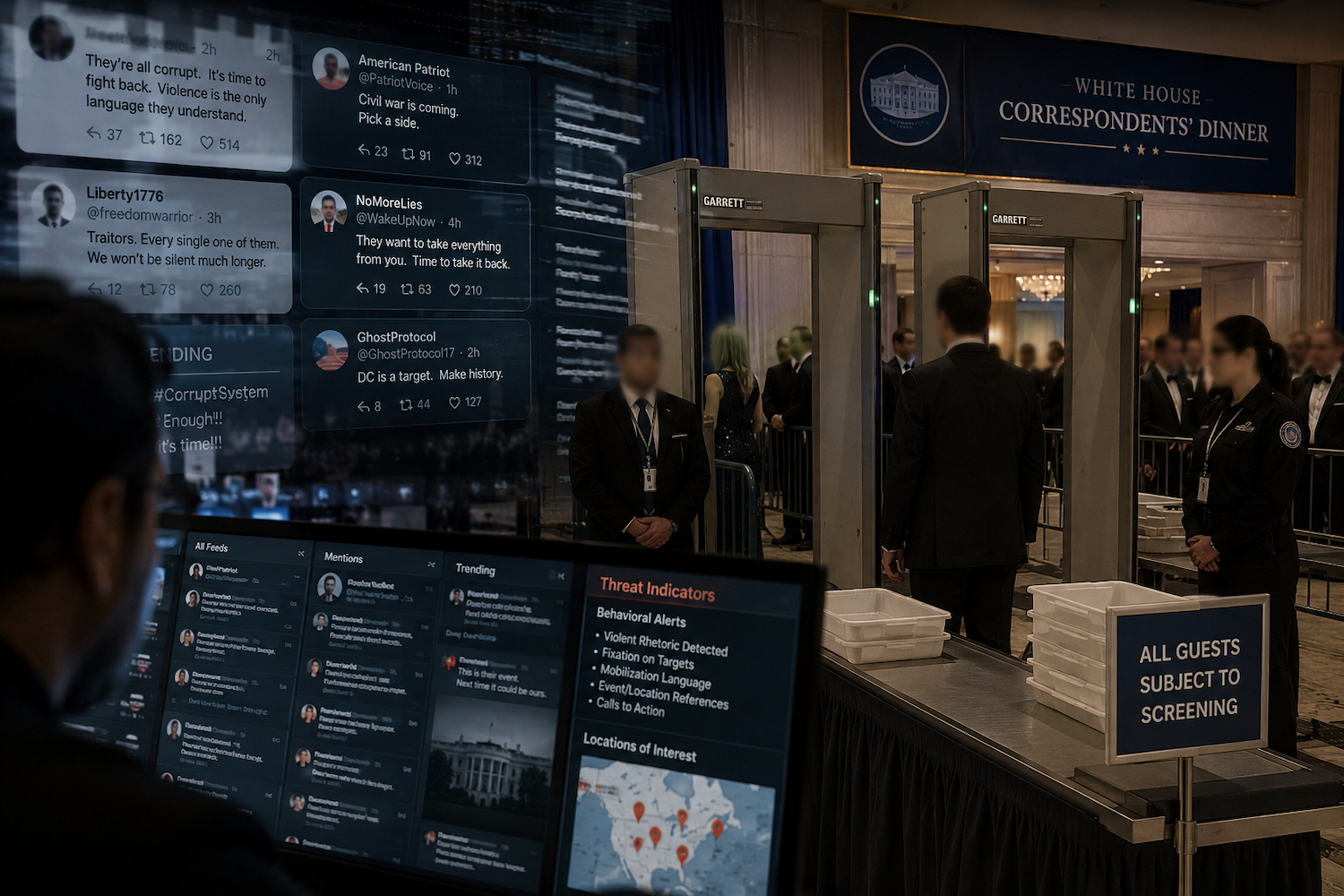
This article takes a closer look at what unfolded, beginning with behavior in the days leading up to the White House Correspondents’ Dinner, when a serious incident quickly drew national attention.
As with many high-profile events, the conversation that followed moved as quickly as the incident itself. Opinions formed quickly. Narratives began to take shape. Social media was filled with commentary, speculation, and strong reactions before many of the facts were fully understood. We examine how individuals responded before, during, and after the incident. It looks at how false narratives developed, how people who were not directly involved were pulled into the conversation, and how some reactions openly accepted harm or violence. Most importantly, it compares those behaviors to the patterns described in When Reaction Replaces Reflection, showing how the same cultural shifts discussed in that article can be observed in real time. This is not an investigation of the incident itself, but an examination of the environment surrounding it.
From a behavioral perspective, incidents like this do not end when the immediate threat is stopped. They continue in how people respond, the language they use, and the narratives they repeat. Understanding those reactions is essential to reducing risk, strengthening communities, and preventing escalation before it begins. As you read this article, consider not only what happened at the event but also how people responded afterward and what those responses reveal about the culture we live in today.