Introduction
The volume of Planned Active Violence has continued to trend upward over the past six years. We, meaning PGI, have increasingly discussed behavioral trends that we have always tracked in relation to Planned Active Violence (PAV). By Planned Active Violence, we refer to acts of violence that involve identifiable stages of grievance, behavioral change, planning, preparation, leakage, fixation, or movement toward a target before the attack occurs.
We continue raising awareness about behavior to enhance our ability to intercept and prevent violent attacks before they occur. To do this, we need to better understand why these events happen, including cultural changes and environmental influences, and how people increasingly respond to situations that push them toward violence.
Data shows that law enforcement and protective services have improved overall response to active violence situations. The issue remains that the threat in many of these cases has already been set in motion and is actively being carried out before the response occurs.
A notable caveat to these responses is the delay in medical response to injured people during the attack. In audits of red-team incidents and reviews of real-time events, medical response has often been delayed, and those delays carry consequences for survivability.
Once again, we need to move toward intelligence-driven improvements to prevent these attacks before they come to fruition. We have always recognized that the safest way to put out a fire is to prevent it from starting. We need to mold our thinking around this very simple but powerful example.
In many of these incidents, observable behavioral indicators were present before the violence occurred, but they were either not recognized, not shared, or not acted upon in time.
As I network within the professional security space, I keep hearing the same thing: business is booming, and I am making more money than I ever have. What we often do not hear is a deeper discussion of why. Further, we do not hear enough discussion about how we can stop or slow the trends in violence we are seeing.
We need true thought leadership if we wish to improve. We need to better understand what is driving violence here in the United States, how we can better how we can better secure the safety of people, and how we can prevent future occurrences before they escalate into action.
To illustrate the increase in Planned Active Violence, I have provided some of the incidents recorded during the first portion of 2026.
Special Note: Government and Political Threats
What we are seeing is not limited to any one political party, region, or event. The broader threat environment around public officials, political gatherings, and government institutions continues to intensify. Federal agencies, law enforcement, and independent security analysts have documented a measurable increase in threats, concerning behaviors, stalking incidents, targeted harassment, and violence directed at elected officials and government personnel.
According to reporting and testimony involving the United States Capitol Police Threat Assessment Section, investigators handled nearly 15,000 concerning statements, communications, and behaviors directed toward members of Congress, their families, staff, and the Capitol complex in 2025. Officials described this as one of the highest levels they have encountered and warned that the overall threat environment continues to grow.
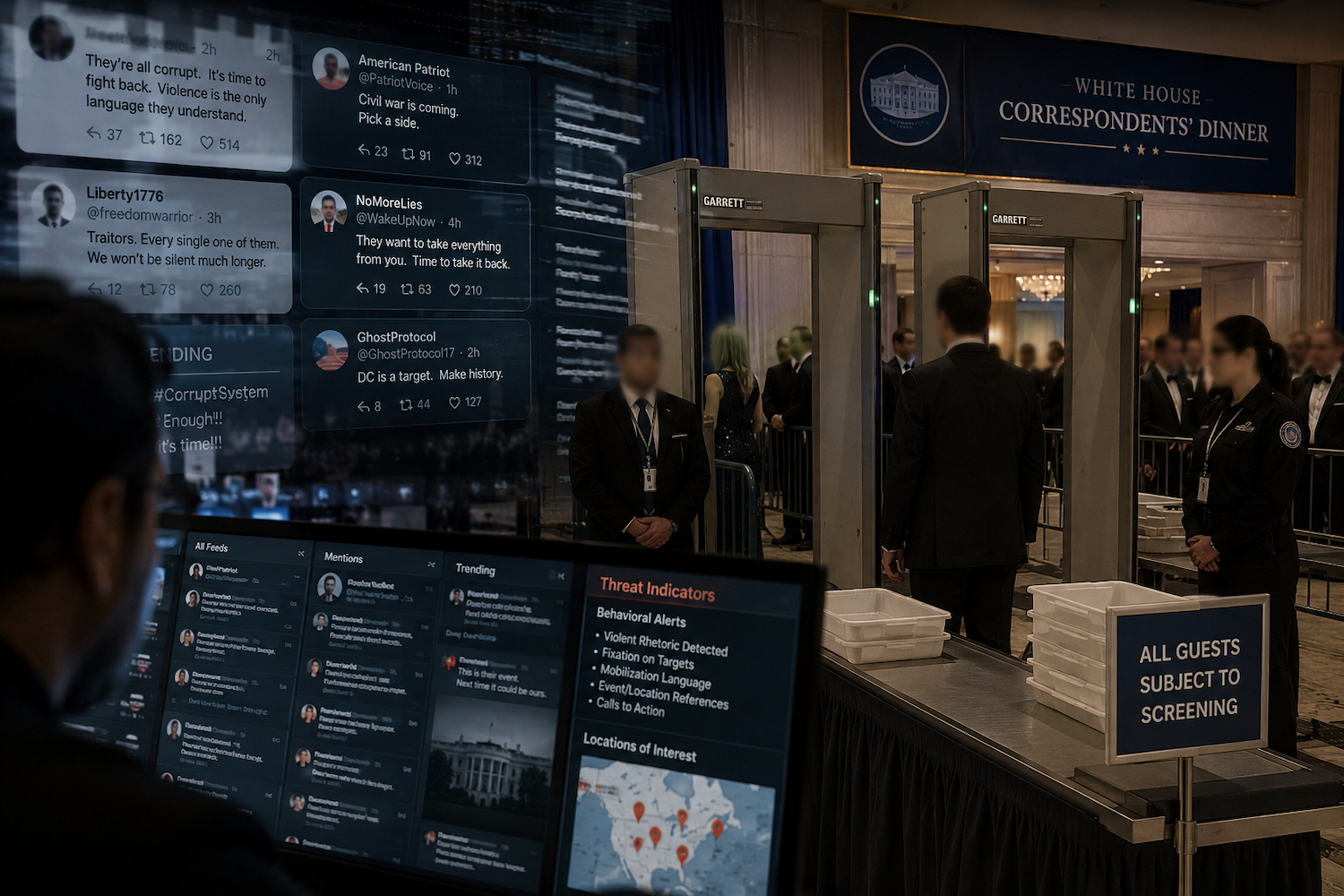
Importantly, many of these cases are no longer limited to direct written threats. Investigators increasingly identify fixation behaviors, grievance-driven rhetoric, online escalation, repeated targeting communications, doxxing, stalking behaviors, and attempts to move closer to protected persons or politically symbolic locations. In many cases, the concern is not a single threatening statement but the progression of behaviors surrounding the individual.
Security professionals are also closely watching the role social media continues to play in amplifying grievance, accelerating emotional contagion, and normalizing aggressive political rhetoric. Public-facing officials now operate in an environment where hostile narratives can spread rapidly, reinforcement can occur through online coalition behavior, and individuals experiencing personal grievance can become increasingly immersed in ideological or emotionally charged content.
This trend is also evident in operational security changes across the public and private sectors. Political candidates, elected officials, media organizations, and event planners have all increased spending on security, executive protection, behavioral threat monitoring, event screening, residential protection measures, and intelligence support. Nationally significant events, campaign appearances, and publicly accessible gatherings continue to face heightened scrutiny because of concerns about soft transitional areas, publicly accessible perimeters, and lone-actor targeting behaviors.
Recent incidents involving political facilities, government officials, nationally significant events, and public-facing political environments have further reinforced these concerns. While each incident differs in motive and context, collectively they continue to demonstrate the growing overlap among grievance amplification, online escalation, fixation, and real-world targeted violence.
Source Data & Reporting References
The observations and concerns outlined in this article are supported by ongoing reporting, behavioral threat assessment findings, operational reviews, and active violence trend analyses from multiple government and independent sources.
Key reporting and source references include:
- United States Capitol Police report documenting significant increases in threats, concerning behaviors, and targeted communications directed toward members of Congress, staff, and government facilities.
- FBI Behavioral Threat Assessment Center (BTAC) and National Center for the Analysis of Violent Crime (NCAVC) research on pre-attack behaviors, leakage, grievance development, and targeted violence indicators.
- United States Secret Service National Threat Assessment Center (NTAC) reporting involving school violence, mass attacks, targeted violence, and behavioral warning signs observed before attacks.
- START Consortium reporting and targeted violence analysis documenting increases in extremist violence, grievance-driven attacks, and lone-actor incidents.
- Public reporting and operational reviews involving attacks against schools, public gatherings, political environments, houses of worship, and corporate leadership.
- Security industry reporting indicates increased demand for executive protection, residential security, intelligence monitoring, and behavioral threat management services.
- Red-team auditing, operational assessments, and after-action reviews identify recurring issues involving delayed casualty access and delayed medical intervention during active violence incidents.
Additional reporting and reference sources include:
- United States Capitol Police
- FBI Behavioral Threat Assessment Center (BTAC)
- United States Secret Service National Threat Assessment Center (NTAC)
- START Consortium – University of Maryland
- National Mass Violence Center
- CISA School Security Resources
- Associated Press
- PBS NewsHour
- The Washington Post
Incident Overview 2026 (Not Exhaustive)
The following incidents represent only a portion of the Planned Active Violence events publicly reported during the early portion of 2026
School
Old Dominion University Shooting
Date: March 12, 2026
Location: Norfolk, Virginia, USA
A shooting inside an academic building at Old Dominion University resulted in multiple casualties and prompted a campus-wide lockdown. Investigators later examined possible extremist motivations linked to the suspect. The attack renewed concerns about threat identification, campus behavioral intervention systems, and targeted violence in educational institutions.
Lázaro Cárdenas High School Shooting
Date: March 24, 2026
Location: Michoacán, Mexico
A 15-year-old student armed with an AR-15-style rifle opened fire at a high school in Lázaro Cárdenas, killing two teachers. Mexican authorities later reported that the rifle allegedly belonged to a relative associated with the Mexican Navy. The attack intensified concerns about firearm access and grievance-based youth violence.
Pauls Valley High School Attempted School Shooting
Date: April 7, 2026
Location: Pauls Valley, Oklahoma, USA
A former student entered Pauls Valley High School armed with two semi-automatic handguns and allegedly attempted to carry out a Columbine-inspired mass shooting. Principal Kirk Moore confronted the attacker after one of the guns malfunctioned. During the struggle, Moore was shot in the leg. Staff members subdued the suspect before any students were harmed. Authorities later said the suspect had researched prior school shootings and intended to inflict mass casualties.
Siverek Vocational High School Shooting
Date: April 14, 2026
Location: Şanlıurfa Province, Turkey
A former student armed with a shotgun entered Ahmet Koyuncu Vocational and Technical Anatolian High School and opened fire, injuring 16 people before taking his own life. Investigators reported that the suspect had posted threatening, grievance-focused material online before the attack.
Onikişubat Secondary School Shooting
Date: April 15, 2026
Location: Kahramanmaraş Province, Turkey
A 14-year-old student opened fire at Ayser Çalık Secondary School, killing 10 people and injuring many others. Witnesses reported students jumping from windows and barricading classrooms to escape. Authorities later described the attack as one of the deadliest school shootings in Turkey’s history.
Rio Branco School Shooting
Date: May 5, 2026
Location: Rio Branco, Acre, Brazil
A 13-year-old student opened fire at Instituto São José, killing two staff members and injuring others, including a child. Authorities said the firearm allegedly belonged to a family member. The incident renewed debate over youth violence, behavioral leakage, and school security preparedness in Brazil.
Workplace / Corporate
Aetna Headquarters Armed Intrusion
Date: April 16, 2026
Location: Hartford, Connecticut, USA
A 51-year-old man entered Aetna’s corporate headquarters carrying an AR-style pistol and a high-capacity magazine. Employees identified the individual as suspicious and alerted corporate security, who detained him before Hartford Police arrived. Authorities charged the suspect with illegal possession of an assault weapon, possession of a large-capacity magazine, and trespassing. The incident occurred amid heightened concern about threats to healthcare companies and executives.
Public Gathering
Arcadia Lake Mass Shooting
Date: May 3, 2026
Location: Edmond, Oklahoma, USA
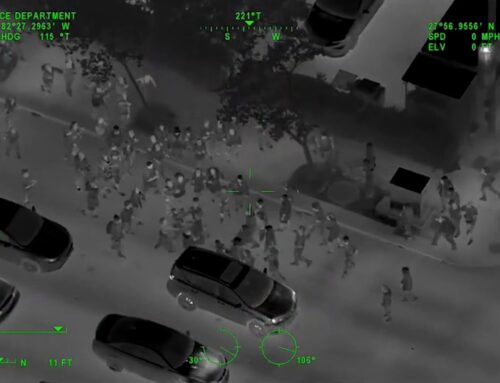
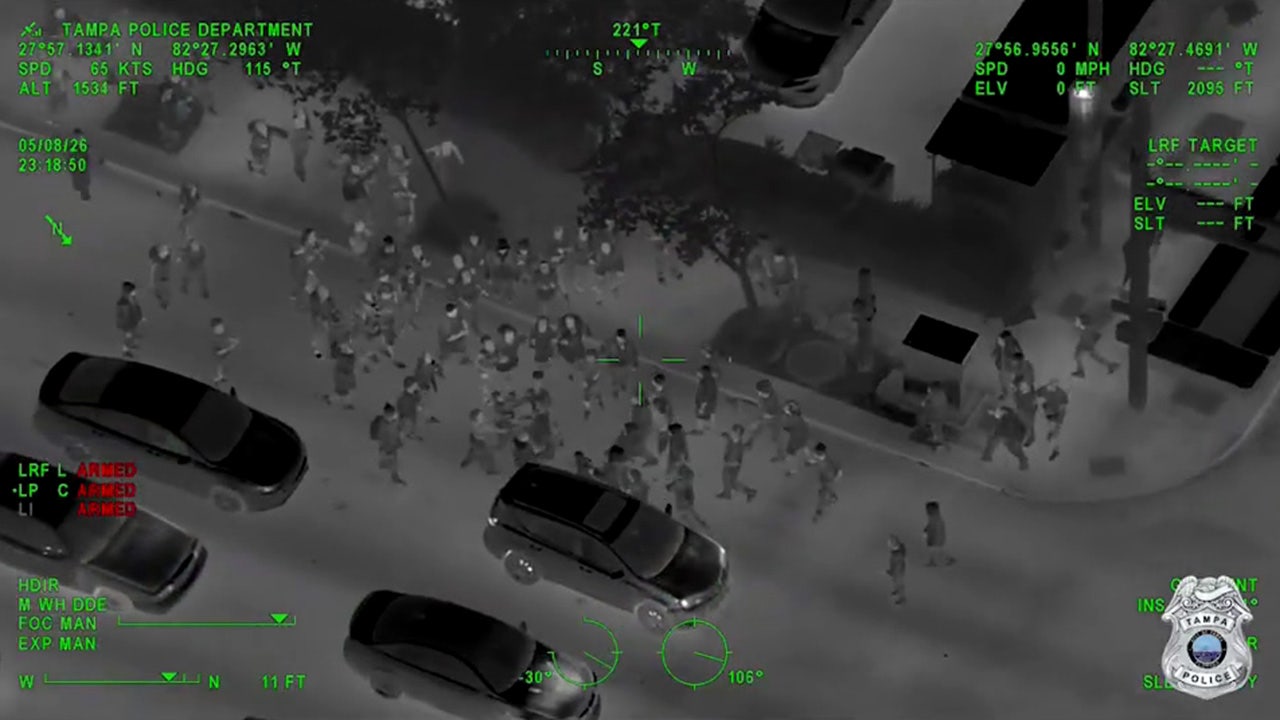
A shooting at a large gathering near Arcadia Lake injured more than 20 people. Officials said the event had been heavily promoted on social media and drew a large youth crowd. Victims fled through wooded terrain amid the chaos, complicating emergency response and suspect identification.
Corporate Executive
Molotov Cocktail Attack on OpenAI CEO Sam Altman’s Residence
Date: April 10, 2026
Location: San Francisco, California, USA
An individual reportedly targeted the residence of OpenAI CEO Sam Altman with a Molotov cocktail. Security professionals described the incident as part of a growing trend of grievance-driven hostility toward high-profile technology executives. The event intensified discussions about executive residential security, doxxing, and online radicalization.
Political / Government
Minnesota State Capitol Threat Incident
Date: February 18, 2026
Location: St. Paul, Minnesota, USA
A man was arrested near the Minnesota State Capitol after allegedly making threats toward elected officials and government personnel. Authorities reported the suspect possessed weapons and had posted grievance-focused rhetoric online prior to the incident. Law enforcement increased security measures around state officials and government facilities while investigators examined potential intent and targeting behaviors.
White House Correspondents’ Dinner Shooting
Date: April 26, 2026
Location: Washington, D.C., USA
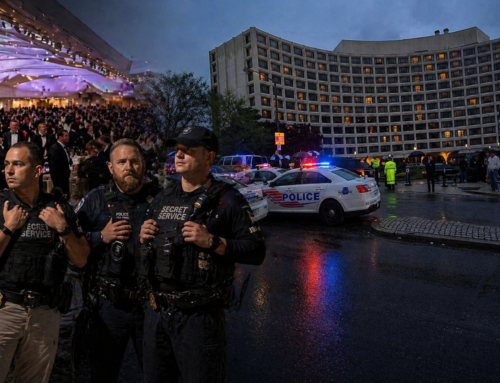
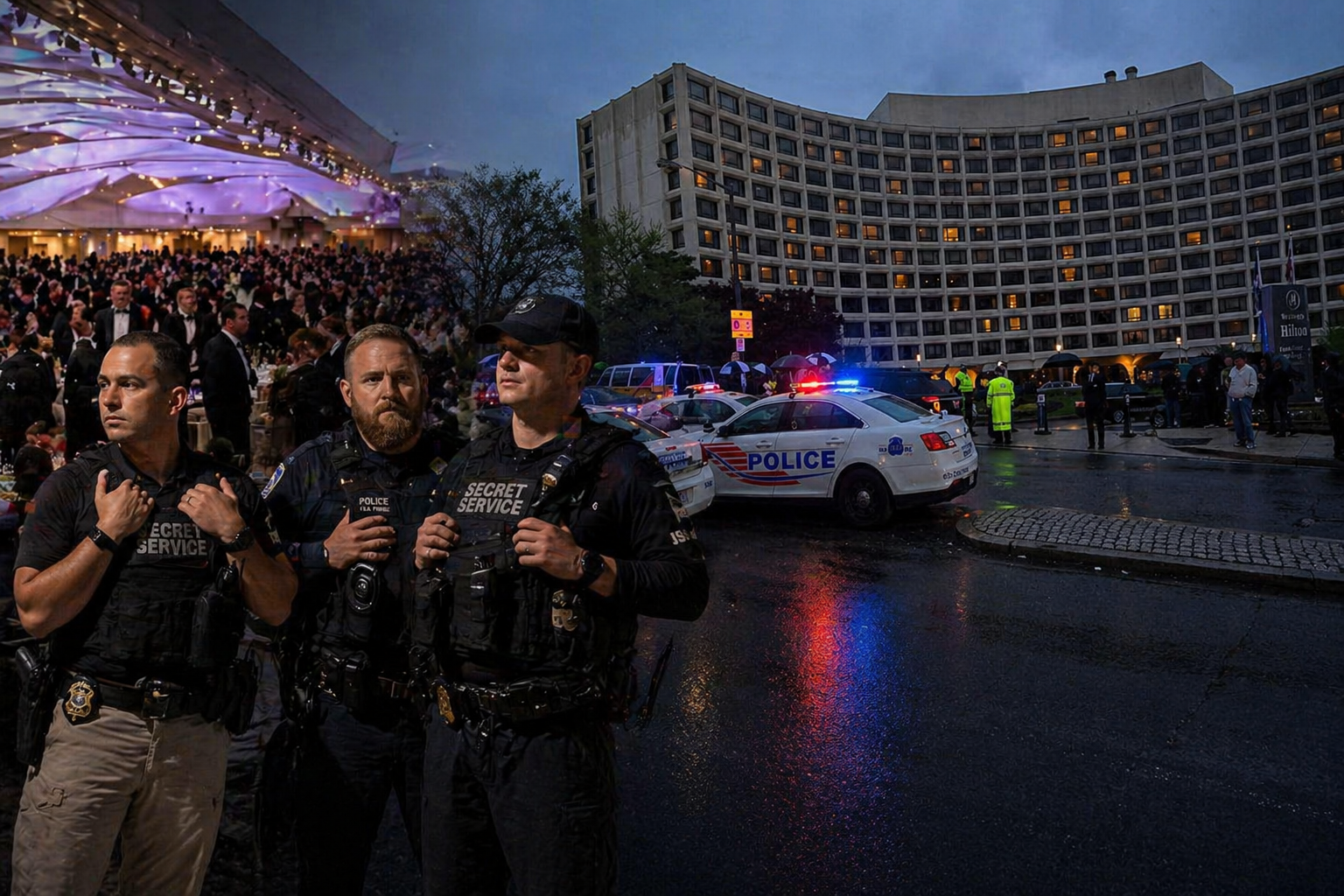
Gunfire erupted near the security screening area during the annual White House Correspondents’ Dinner attended by President Donald Trump, Vice President JD Vance, senior administration officials, journalists, media executives, and invited guests. Secret Service agents immediately evacuated protected officials while attendees sheltered inside the Washington Hilton.
Authorities identified the suspect as 31-year-old Cole Tomas Allen of California. Federal investigators stated Allen allegedly traveled to Washington, D.C. with firearms, ammunition, and edged weapons and intended to target President Trump and senior government officials. According to investigators, the suspect fired a shotgun at a Secret Service officer near a checkpoint before being subdued by law enforcement personnel. The officer survived after being struck in a ballistic vest.
Federal prosecutors later charged Allen with attempted assassination of the president, assault on a federal officer with a deadly weapon, and multiple firearms-related offenses. Investigators reportedly recovered writings and communications indicating political grievances and pre-attack planning activity. The incident renewed discussion regarding protective intelligence, transitional-space vulnerabilities, layered security operations, and behavioral threat recognition at nationally significant events.
Faith-Based
Salt Lake City Church Shooting
Date: January 7, 2026
Location: Salt Lake City, Utah, USA
A dispute at a funeral gathering outside a meetinghouse belonging to The Church of Jesus Christ of Latter-day Saints escalated into a shooting that killed two people and injured six others. Authorities reported that multiple individuals exchanged gunfire after an altercation among attendees.
Chabad Headquarters Vehicle-Ramming Attack
Date: January 28, 2026
Location: Brooklyn, New York, USA
A driver intentionally rammed a vehicle into the headquarters of the Chabad-Lubavitch movement in Brooklyn, damaging the entrance. Authorities investigated the incident as a possible hate crime against a Jewish institution.
Islamabad Mosque Bombing
Date: February 6, 2026
Location: Islamabad, Pakistan
A suicide bomber attacked the Khadija Tul Kubra Mosque during Friday prayers, killing more than 30 worshippers and injuring more than 169 others. The Islamic State claimed responsibility for the attack on the Shia Muslim community.
Temple Israel Synagogue Attack
Date: March 12, 2026
Location: West Bloomfield Township, Michigan, USA
An attacker drove a vehicle into Temple Israel before opening fire with an AR-15-style rifle. A security officer was wounded before the attacker was stopped. Federal investigators later described the assault as a Hezbollah-inspired terrorist attack targeting the Jewish community.