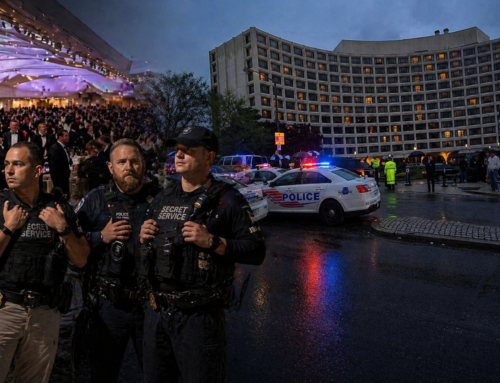
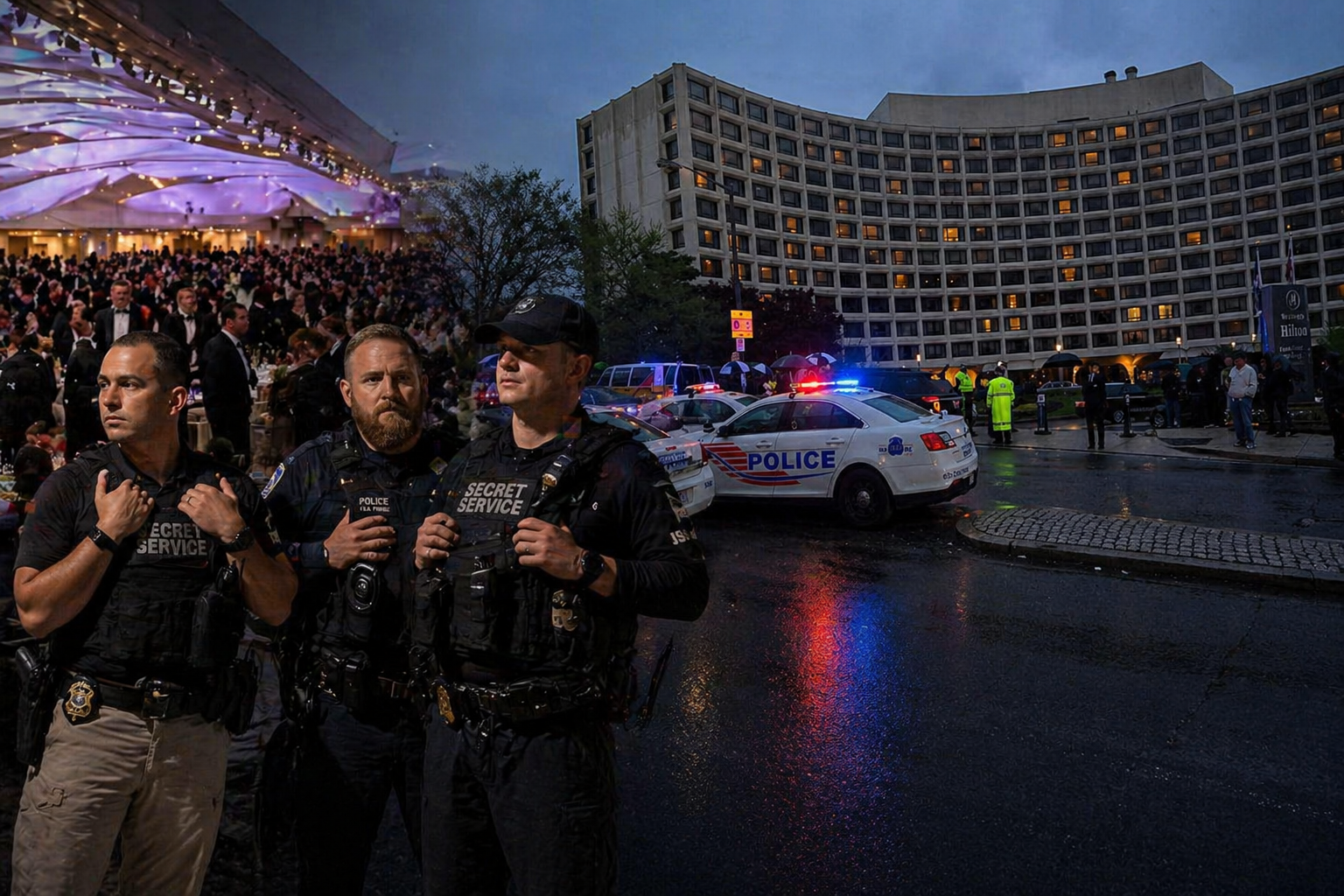
In the days after high-profile incidents, much of the discussion centers on security presence, threat recognition, and response capability. Those elements matter, but they rarely tell the full story.
At PGI, we often see medical risk overlooked when the practitioner’s response time is running short.
We stop the threat, but the medical necessity to respond to the injured is already underway. The environment may begin to stabilize, but the medical timeline has already begun.
We all understand the basics. When the scene is secure, we check for Responsiveness, Airway, Breathing, Severe Bleeding, Circulation, Shock, Mental Status, Head/Spine Concerns, Temperature/Exposure, Communication, and Reassessment.
But we see the problem as hesitation more often than awareness.
Bleeding, airway compromise, and shock do not wait for perfect conditions, additional resources, or the arrival of advanced care.
We train protective teams to secure the environment, maintain control, and protect the principal. Those responsibilities remain important. But protection does not end when the threat stops. In many cases, the first minutes after injury determine whether a survivable condition remains survivable.
At PGI, we do not view medical readiness as turning every protective professional into a medic. We view it as the ability to recognize life-threatening injuries, access equipment without delay, communicate clearly, and take immediate action until higher levels of care arrive.
This PGI Protective Intelligence Brief examines the first minutes of medical response during protective operations. We discuss the realities of equipment availability, practical training, movement considerations, leadership under pressure, and the speed of decision-making when seconds matter. The focus is not on advanced medicine. It is an immediate survival action.
The recent incidents and training realities facing protective teams serve as a reminder of a basic operational truth. Security without medical readiness is incomplete.
PGI Protective Intelligence Briefs offer concise operational insights drawn from field experience, designed to support professionals responsible for executive protection, investigations, and risk management. The focus is not on theory or hindsight. It is on recognizing what happens in real time and preparing teams to act when seconds matter.
Read PGI Protective Intelligence Brief #5: Medical Readiness: The First Minutes in digital format to examine how protective teams can reduce hesitation, improve readiness, and support lifesaving action in the earliest moments of an incident. Download the PDF for reference, training, and operational use.