Planned Violence: Understanding the Increasing Threat Environment

Introduction The volume of Planned Active Violence has continued to trend upward over the past six years. We, meaning PGI, have increasingly discussed behavioral trends that we have always tracked in relation to Planned Active Violence (PAV). By Planned Active Violence, we refer to acts of violence that involve identifiable stages of grievance, behavioral [...]

By |2026-05-11T11:58:59-04:00May 11th, 2026|Domestic, Executive Protection, Homeland Security, Intelligence, International, PAAD, Safety & Health, Violence, White House Correspondents’ Dinner incident|Comments Off on Planned Violence: Understanding the Increasing Threat Environment

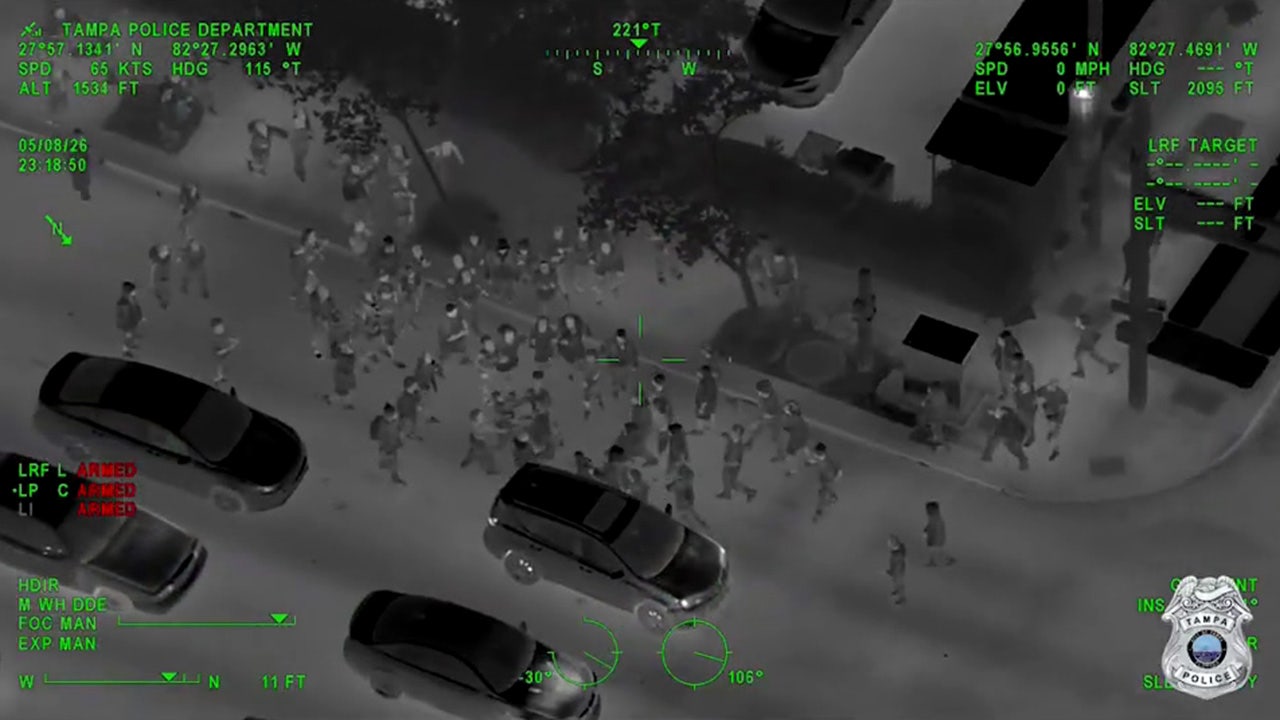
Teen Takeovers, Crowd Escalation, and the Emerging Public Safety Threat

What is developing across parts of the United States should not be dismissed as a simple juvenile disorder or merely as large youth gatherings. Law enforcement agencies, municipalities, shopping districts, entertainment venues, and private security teams are increasingly facing rapidly mobilized crowd events commonly known as “Teen Takeovers.” The term itself understates the operational [...]

By |2026-05-10T10:13:00-04:00May 10th, 2026|Domestic, Homeland Security, Intelligence, Intelligence, Safety & Health, Violence|Comments Off on Teen Takeovers, Crowd Escalation, and the Emerging Public Safety Threat

What Escalation Looks Like in Real Time: A Direct Alignment Between Behavior and Action

This article is a follow-up to our recent piece, When Reaction Replaces Reflection, which examined how behavior in our communities is changing and how reactions are outpacing reflection. This article takes a closer look at what unfolded, beginning with behavior in the days leading up to the White House Correspondents’ Dinner, when a serious incident [...]

By |2026-04-28T19:18:04-04:00April 28th, 2026|PAAD, Personal Safety, Training, White House Correspondents’ Dinner incident|Comments Off on What Escalation Looks Like in Real Time: A Direct Alignment Between Behavior and Action

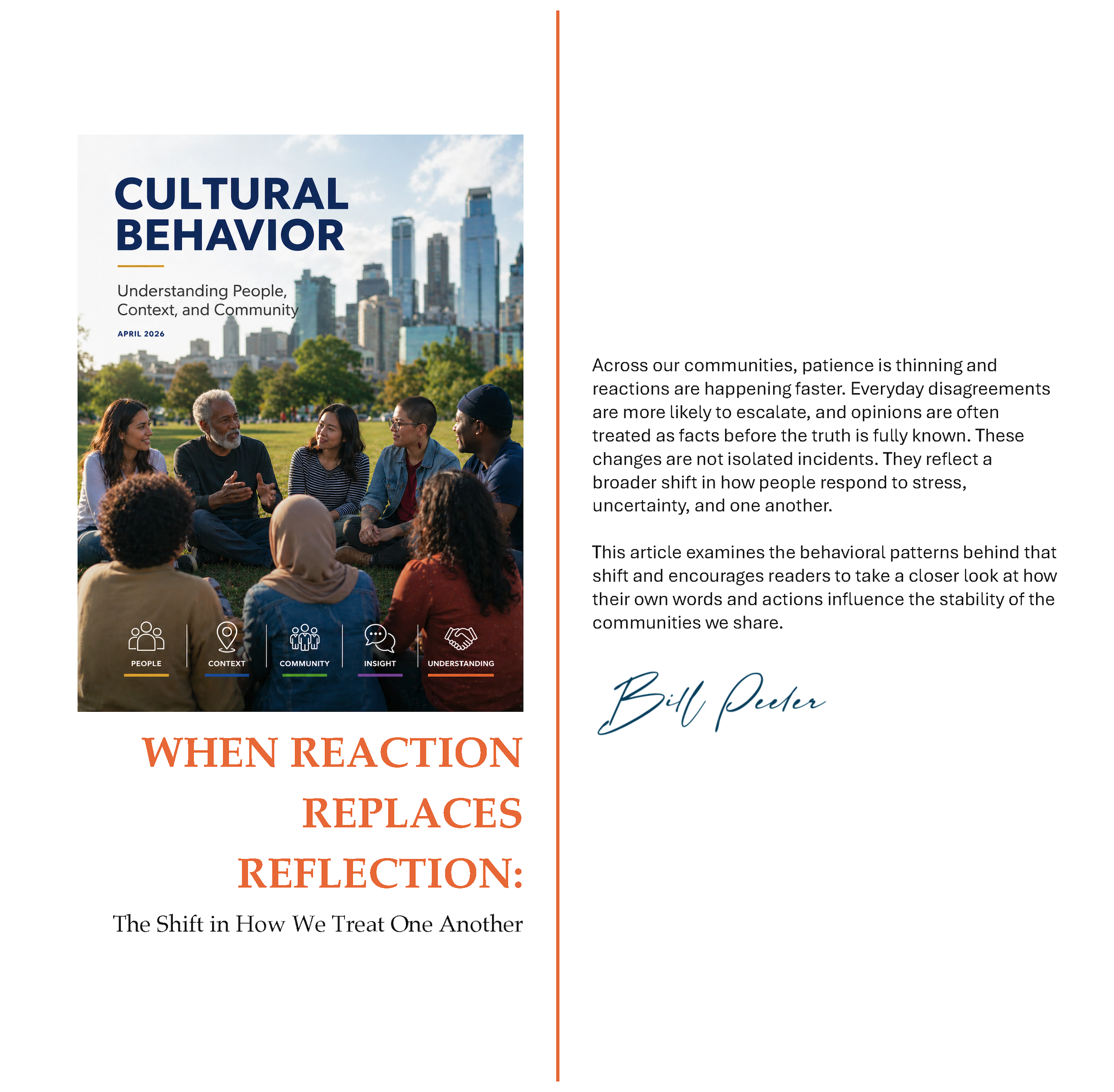
When Reaction Replaces Reflection: The Shift in How We Treat One Another

Across our communities, patience is thinning, and reactions are happening more quickly. Everyday disagreements are more likely to escalate, and opinions are often treated as facts before the truth is known. These changes are not isolated incidents. They reflect a broader shift in how people respond to stress, uncertainty, conflict, and each other. This [...]

By |2026-05-01T09:28:45-04:00April 27th, 2026|PAAD, Personal Safety, Safety & Health, Training, Violence|Comments Off on When Reaction Replaces Reflection: The Shift in How We Treat One Another

Five Incidents. Five Pathways to Violence. Understanding the Emerging Threat Environment

The Prologue Over the past several days, multiple violent incidents reported in the United States have attracted public attention. At first glance, they may seem connected. In some cases, witnesses reported statements referencing religion or ideology. In others, the targets themselves expressed concerns about identity-based violence. However, when analyzed through an investigative and behavioral [...]

By |2026-03-14T12:41:48-04:00March 14th, 2026|Cyber Security, Homeland Security, PGI Protective Intelligence Briefs, Training, Violence|Comments Off on Five Incidents. Five Pathways to Violence. Understanding the Emerging Threat Environment

Do You Understand the Difference? Serial Killers, Aggressors, and the Pathways to Violence

The confusion between serial killers, primal aggressors, and cognitive aggressors often leads to misconceptions about their behaviors, motivations, and psychological states. A recent article, "Ted Bundy Lawyer Reveals What 'Totally Fascinates' Him About Bryan Kohberger Case," from Fox News, highlights this complexity by comparing the infamous serial killer Ted Bundy with Bryan Kohberger, who is accused [...]

By |2024-12-02T12:53:07-05:00December 2nd, 2024|Clients, PAAD, PGI Services, Training, Uncategorized, Violence|Comments Off on Do You Understand the Difference? Serial Killers, Aggressors, and the Pathways to Violence
Go to Top